
How to Buy Tires by the Container: A Guide for Tire Dealers
September 19, 2026
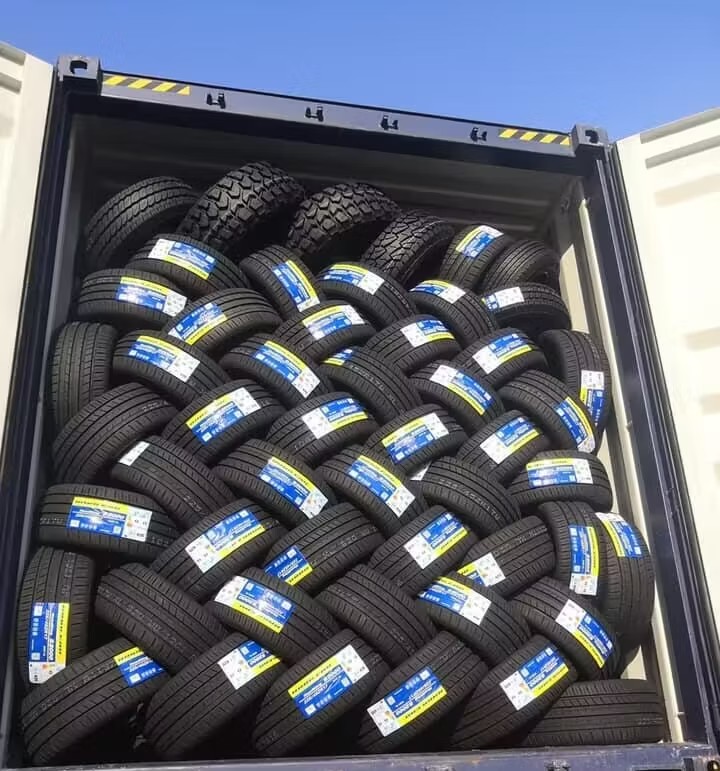
Buying tires by the container can give tire dealers access to significantly lower per tire costs and a much larger selection of inventory. For shops selling a high volume of budget and ultra budget tires, purchasing larger quantities can create opportunities that are difficult to achieve through traditional tire distribution.
However, buying by the container is different from ordering a few tires at a time. Dealers need to understand quantities, tire sizes, shipping, landed cost, storage, payment terms, and the supplier before placing an order.
Here is what tire dealers should know before buying tires by the container.
Why Buy Tires by the Container?
The biggest reason dealers consider container purchasing is cost.
When tires are purchased individually or in small quantities, the price usually includes more handling, distribution, warehousing, and transportation costs. Buying larger quantities can reduce some of those costs and allow the dealer to negotiate better pricing.
Container purchasing can also provide:
• Lower average tire cost
• More consistent inventory
• Access to lesser known and ultra budget brands
• Better control over tire selection
• The ability to stock popular sizes in larger quantities
• More predictable purchasing costs
For a busy tire shop, saving even a few dollars per tire can become significant over hundreds or thousands of tires.
How Many Tires Fit in a Container?
The exact number depends on the tire sizes, tire dimensions, container type, loading method, and how efficiently the tires are packed.
A container loaded with passenger tires can hold considerably more tires than one filled with larger light truck or commercial tires.
This is why container pricing should not be based only on the advertised tire price. Freight, loading, port charges, customs related costs, inland transportation, and other expenses can affect the actual cost of every tire.
The number of tires is only one part of the calculation.
Start With Your Tire Sizes
Before contacting a supplier, determine which sizes you actually sell.
Look at your sales history and identify your highest volume sizes. A container filled with tires that do not move quickly can tie up a significant amount of working capital.
Instead of simply choosing the cheapest tires available, build your order around the sizes your customers are already buying.
For example, a dealer may decide to concentrate inventory around common passenger and SUV sizes such as:
225/65R17
215/55R17
235/60R18
205/55R16
265/70R17
The exact sizes will depend on the dealer's market and customer base.
Understand Your Landed Cost
One of the biggest mistakes new container buyers make is looking only at the factory or supplier price.
The number that matters is your landed cost.
Landed cost is the total cost required to get the tires into your inventory and ready to sell.
Depending on the transaction, this can include:
Tire purchase price
Ocean freight
Port charges
Customs and brokerage costs
Duties or tariffs that apply
Inland transportation
Drayage
Unloading
Warehousing
Other applicable fees
For example, a tire that appears inexpensive at the supplier level may not be nearly as inexpensive after all transportation and import costs are included.
Always calculate the expected cost per tire after these expenses.
Choose the Supplier Carefully
The supplier is just as important as the tire price.
Before placing a large order, dealers should verify who they are purchasing from and understand exactly what is included in the transaction.
Questions worth asking include:
Where are the tires manufactured?
What sizes are available?
What is the minimum order quantity?
How many tires fit in the proposed container?
Are the tires currently produced?
What is the expected production time?
What are the payment terms?
What warranty is provided?
What documentation is supplied?
How are defective or damaged tires handled?
What shipping terms are being offered?
A low price does not necessarily make a good supplier if communication, documentation, production, or fulfillment becomes a problem.
Make Sure the Tires Are Appropriate for the U.S. Market
Tires imported for sale in the United States need to meet applicable federal requirements.
Dealers should make sure they understand the requirements that apply to the tires they are purchasing and verify that the supplier can provide the appropriate documentation and markings.
This is especially important when purchasing from an overseas manufacturer or supplier that is unfamiliar with your market.
Do not assume that every tire advertised internationally is automatically ready for sale in the United States.
Decide Whether You Need a Full Container
Not every tire shop needs to purchase a full container.
A high volume dealer with strong inventory turnover may be able to justify a larger purchase. A smaller shop may be better served by purchasing through a wholesaler or finding a supplier that can accommodate a smaller order.
The goal is not simply to buy the largest possible quantity.
The goal is to buy enough inventory to achieve a meaningful cost advantage without tying up too much cash in tires that sit on the shelf.
Plan Your Inventory Before the Container Arrives
Container buying requires more planning than normal tire purchasing.
Before the shipment arrives, determine where the tires will be stored and how they will be organized.
Consider:
Warehouse space
Racking or stacking requirements
Inventory tracking
Size organization
Receiving labor
Delivery access
Insurance
Inventory turnover
A container full of tires can be a valuable asset, but only if the dealer has a plan for moving that inventory.
Calculate Your Potential Margin
Once you know your landed cost, compare it with your expected selling price.
For example, if your complete landed cost is $40 per tire and your average selling price is $65, the difference is $25 before installation costs and other operating expenses.
The same calculation should be performed for every major tire size.
Container purchasing can also create additional opportunities because tire dealers often make revenue from mounting, balancing, tire disposal, TPMS service, alignments, and other services.
The tire itself is only one part of the transaction.
Start Small When Possible
For dealers new to container purchasing, starting with a manageable order can be a good way to learn the process.
A first order can help you understand:
How the supplier communicates
How long production takes
How shipping works
How the tires arrive
How quickly different sizes sell
What your actual landed cost is
How much storage space you need
Once the process is understood, future orders can be planned around actual sales data instead of assumptions.
Container Buying Is About More Than Getting the Cheapest Tire
The lowest tire price is not always the best deal.
A successful container purchase requires the right combination of tire cost, product quality, available sizes, shipping costs, supplier reliability, inventory turnover, and customer demand.
The dealers who benefit most from container purchasing are usually the ones who treat it as an inventory strategy rather than simply a way to find cheaper tires.
Buying Tires by the Container With TireOrigin
TireOrigin is built around helping tire dealers and buyers find affordable tire sourcing options without requiring them to operate their own overseas supply chain.
For dealers interested in ultra budget and value focused tires, container purchasing can provide another way to control inventory costs and improve purchasing efficiency.
Whether you are looking for a specific tire size, building a mixed container, or exploring larger volume purchasing, understanding your actual landed cost is the first step.
Before placing any container order, know what you are buying, know what it will actually cost to get it into your inventory, and make sure you have a plan to sell it.
That is how container buying becomes a business strategy instead of simply a large tire order.